
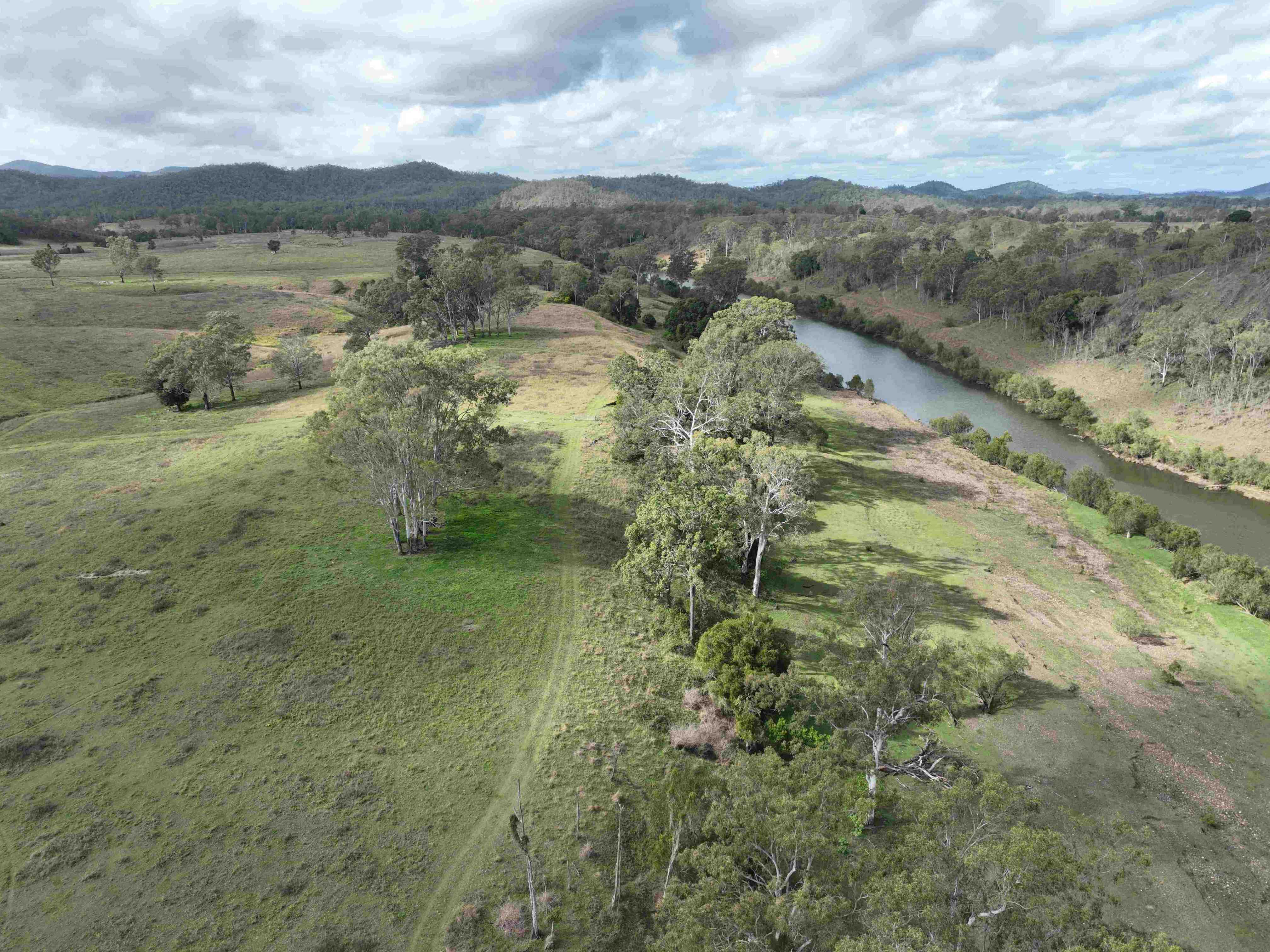
From overgrazed to thriving: How smarter infrastructure transformed a Brisbane River grazing property
"We've achieved what we thought we were going to achieve in five years in under one.”
Just 12 months ago, cattle on Carolyn and Ken Schmidt's property relied on the Brisbane River as their primary water source, concentrating grazing pressure and limiting pasture recovery.
Today, cattle drink from strategically located off-stream watering points, paddocks are managed through rotational grazing, and previously overgrazed areas are showing signs of recovery.
Protecting water at the source involves best practice and regenerative farming, alongside waterway restoration activities including erosion repair, revegetation and weed management.
Working with Healthy Land & Water through the Seqwater-funded Mid Brisbane River Source Protection Partnership Program, the Schmidts have transformed the way they manage their property - delivering benefits for pasture productivity, cattle health and water quality in the Brisbane River.
A property under pressure
Before the works were completed, cattle relied almost entirely on the Brisbane River for water. This concentrated grazing pressure around the river, limiting pasture recovery and reducing the property's overall productivity.
"It was very overgrazed and underutilised," Carolyn said.
"The cattle were just going to one water source, which was the river. Now we've provided them with multiple off-stream watering points and they're able to graze the land much better."
From Seqwater’s perspective keeping cattle out of the river ensures better water quality is delivered downstream to the water treatment plant.
The introduction of fencing allowed the property to be divided into smaller paddocks, making rotational grazing possible and giving pastures time to recover.
"We're seeing the good species come back," Ken said.
"By spelling paddocks we've started noticing legumes like siratro in paddocks where we'd never seen them before."
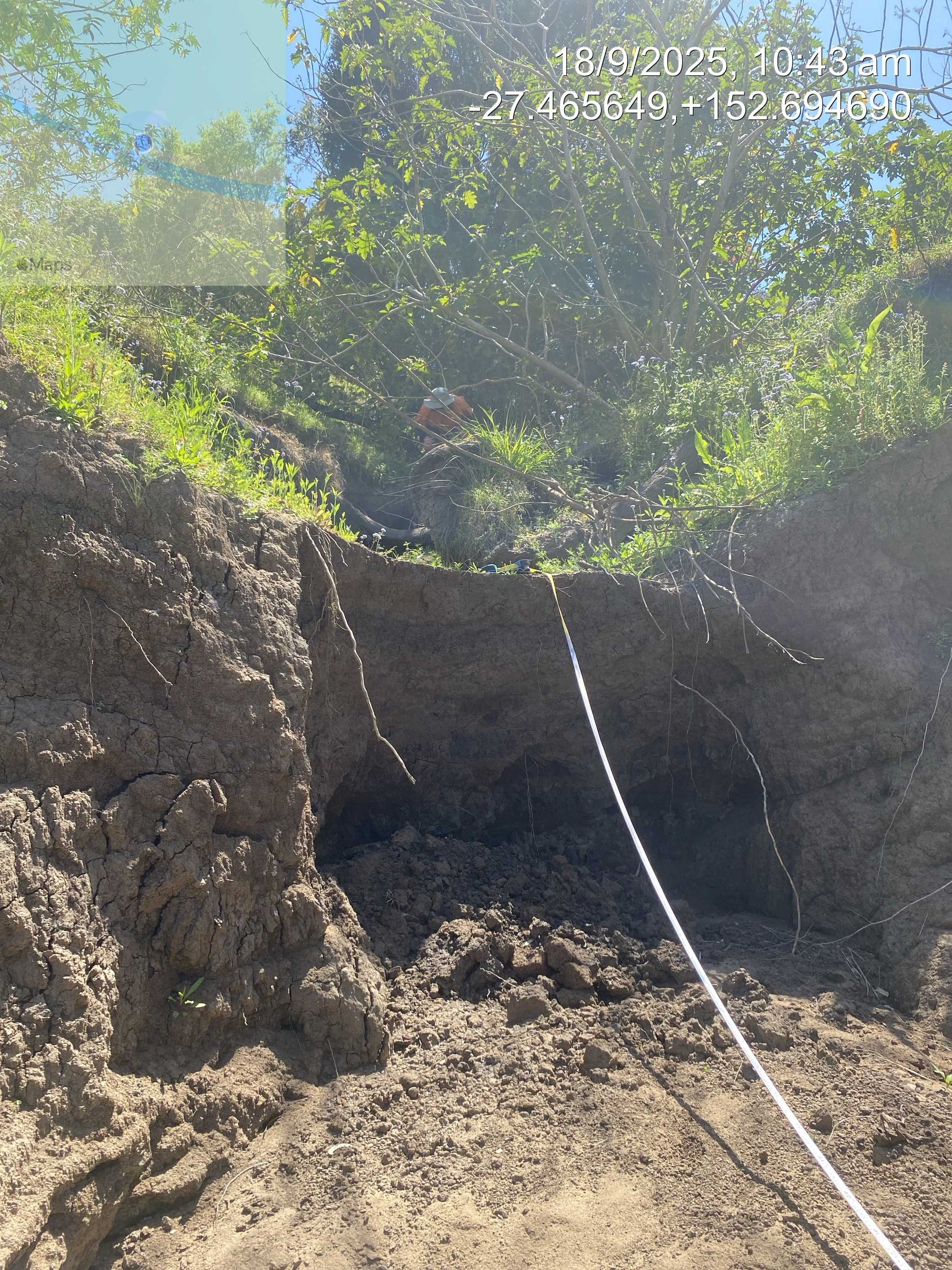 This property was previously overgrazed with significant erosion.
Infrastructure first, benefits sooner
The Schmidts developed a five-year property management plan with Healthy Land & Water, identifying the improvements needed to achieve their long-term goals. Rather than staging the infrastructure works over several years, they decided to complete the fencing and watering infrastructure upfront.
"We knew what we needed to do first. We knew where we needed to start and what we wanted to achieve," Ken said.
"We thought if we did all the fencing and all the water in one hit and got those paddocks split up, we'd notice a massive difference straight away - and we have."
With the infrastructure now in place, the Schmidts can focus on improving pasture condition and diversity across the property.
"We've already seen how much better the country can be just by locking paddocks up and managing grazing pressure. Now we can focus on improving pasture species and productivity."
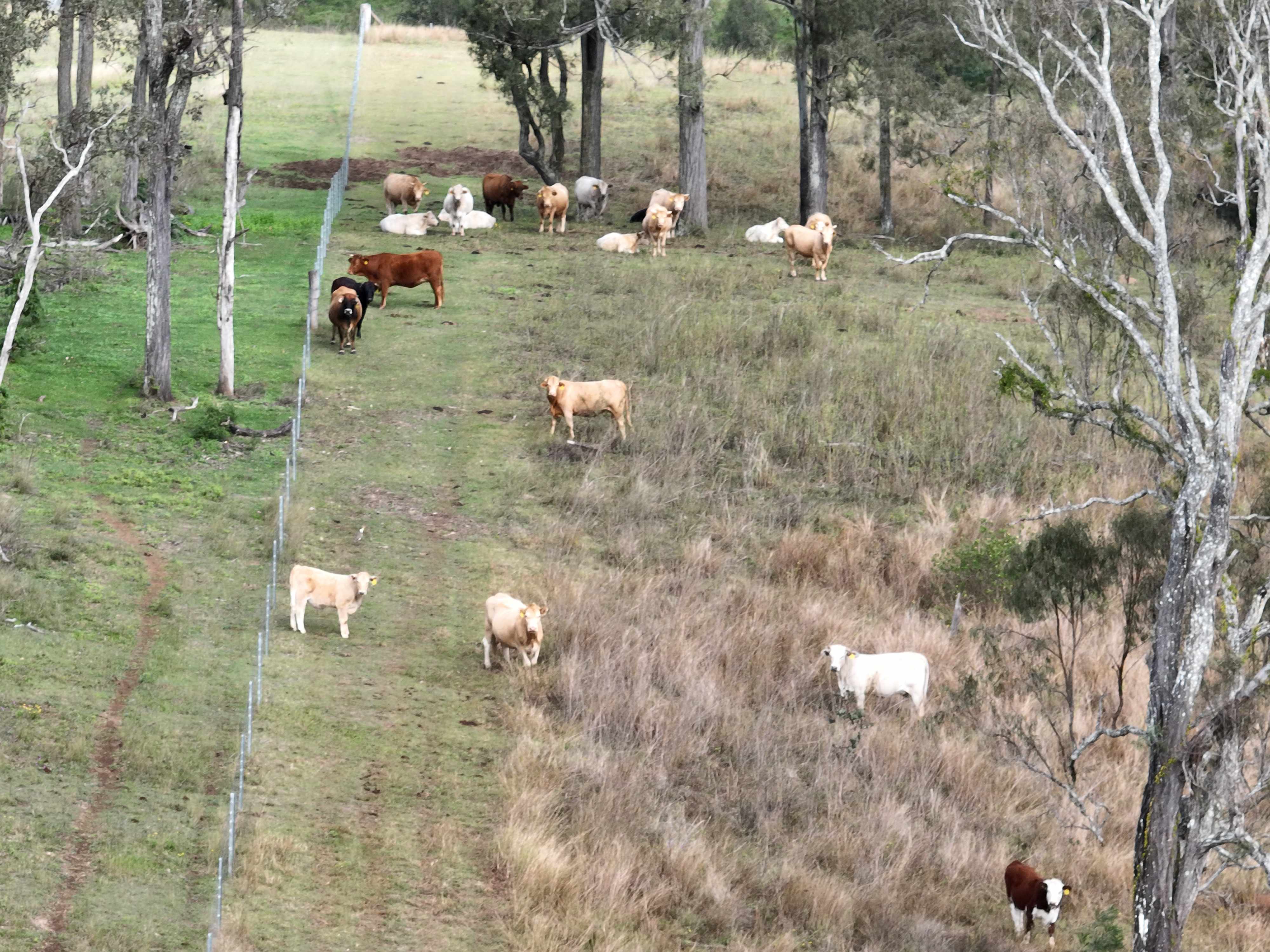 The Schmidt’s prioritised fencing which has had many benefits for pasture condition.
Better for cattle, land and water
The benefits extend well beyond pasture condition. By providing off-stream watering points, cattle no longer need to access the Brisbane River directly, helping reduce bank erosion and minimise impacts on water quality from water-borne pathogens that are common in cattle.
"The cattle health has improved already, plus the land health, and obviously the Brisbane River health due to those off-water opportunities the cattle now have," Carolyn said.
The new infrastructure has also made day-to-day management significantly easier. A laneway system now allows cattle to move calmly and efficiently between paddocks and yards, reducing labour requirements and animal stress.
"It's made management a lot simpler," Ken said.
"We save time because it's so much easier to muster. The cattle have one place to go and they go there."
The addition of strategically located watering points has also created new management opportunities.
"Even things like treating cattle for buffalo fly can now be done in a central paddock area without having to bring the whole herd into the yards," Carolyn said.
"It's less stress on the animals and much easier for us."
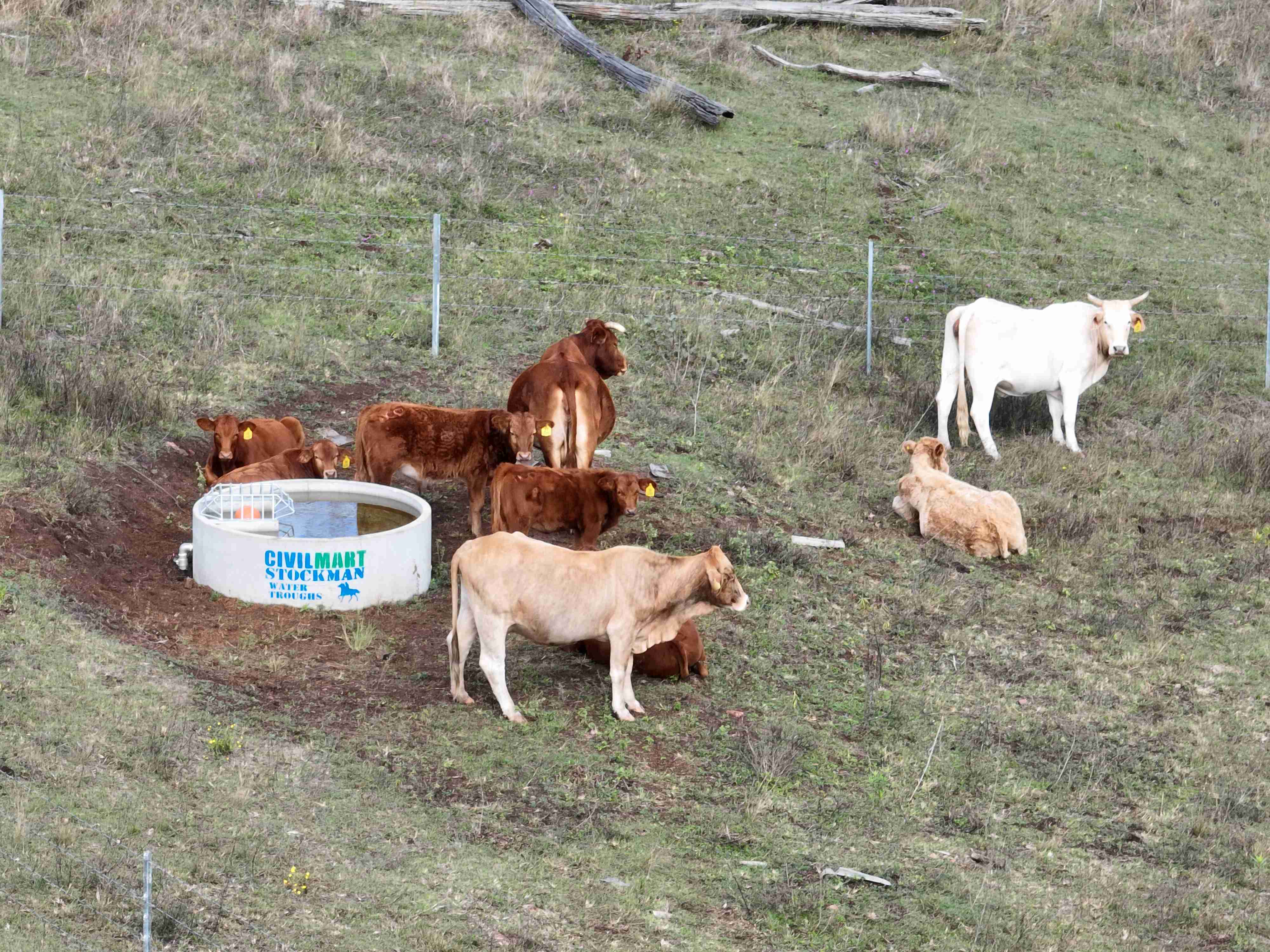 Creating off-stream watering points for cattle to drink from created multiple benefits for the property.
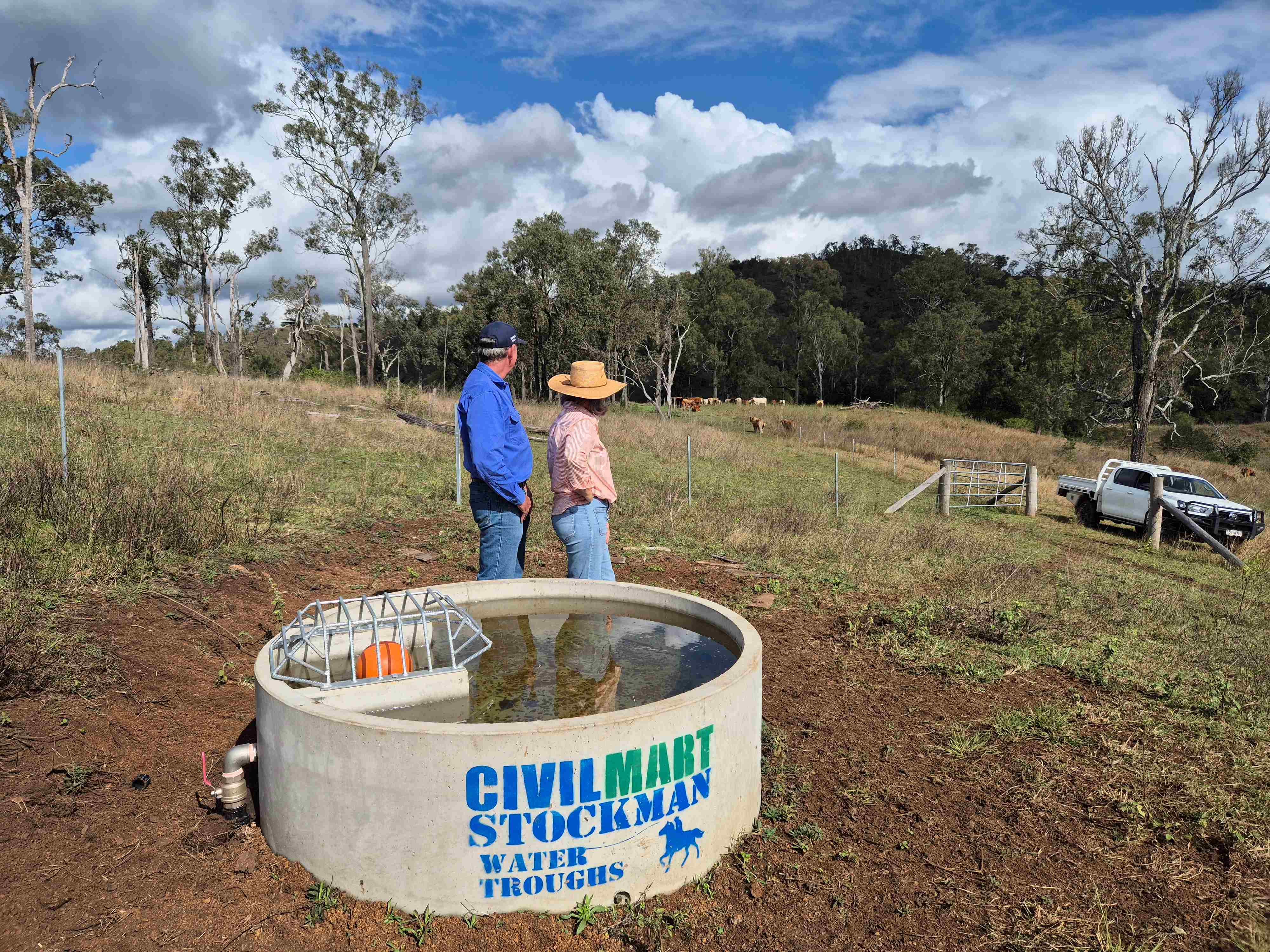 Creating off-stream watering points for cattle to drink from created multiple benefits for the property.
A partnership delivering lasting outcomes
Healthy Land & Water's Project Manager, Raphael Carvalho, said the Schmidt property demonstrates how practical infrastructure improvements can deliver multiple benefits for both farm businesses and our drinking water supply.
"By improving fencing and water infrastructure, landholders can gain greater control over grazing management while also protecting waterways and improving pasture condition," Raphael said.
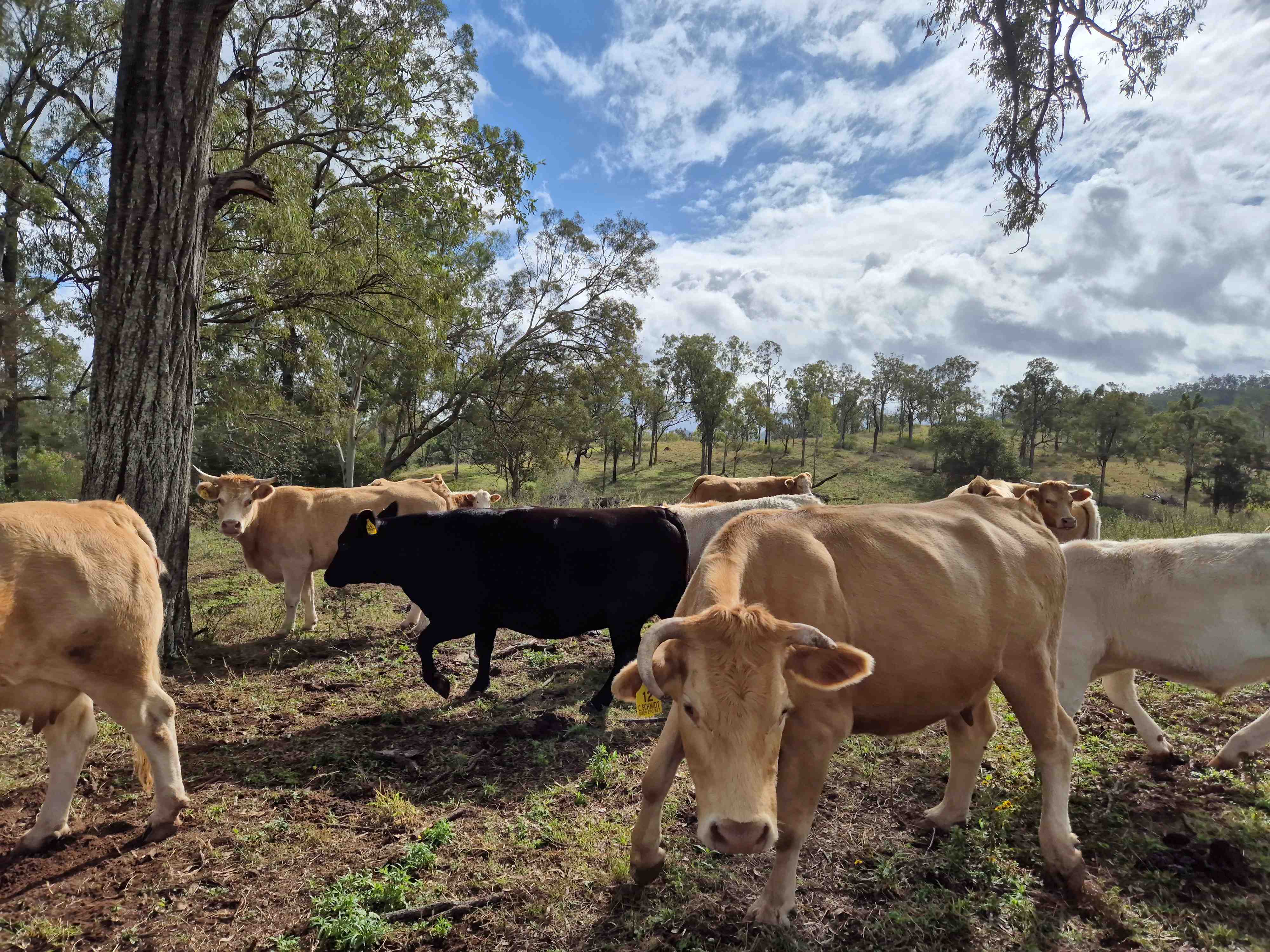 Improved grazing management is supporting cattle health and pasture recovery on the Schmidt property.
"The Schmidts have shown what's possible when a clear management plan is paired with practical on-ground action. The outcomes they're already seeing for productivity, cattle health and river health are exactly the kinds of benefits this program aims to support."
Today, the property is healthier, easier to manage and better positioned for future productivity while also contributing to cleaner water in the Brisbane River and for downstream consumers.
"We are so appreciative of all the help and guidance throughout this process," Carolyn said.
"We could not have done it without you."
The Mid Brisbane Partnership Program is delivered in partnership with Seqwater and in collaboration with landholders in the identified critical areas.


